The opportunity is not limited by demand —
it is shaped by how effectively we structure supply, infrastructure, and execution.
We owe an apology for the delay in sharing this report. 2025 was an intensive year — execution took precedence over communication as we worked across commodities, exports, supply-side infrastructure, and technology development. The work was foundational, and it required time, iteration, and learning.
Consistent quarterly throughput across the FY25 cycle, with Q3 marking the strongest quarter.
Take-rate, basket composition and transaction quality all improving — more value captured per order.
Stronger supplier coordination, better forecasting, and improved execution discipline from Q2 onwards.
111 active customers spanning HORECA and emerging retail — diversifying single-segment risk.
Packhouse initiated, direct sourcing strengthened, commodities structured, export channels mapped.
| Quarter | GMV (ZMW) |
|---|---|
| Q1 FY25 | 4.94M |
| Q2 FY25 | 6.61M |
| Q3 FY25 | 7.10M ★ |
| Q4 FY25 | 5.96M |
| Q1 FY26 | 4.99M |
Q3 FY25 marked the strongest quarter of the year — sustained demand across core categories carried by stronger supplier coordination.
Some client churn occurred — largely tied to supply-side partner misalignment. The lesson is clear: tighter control on fulfillment is now non-negotiable.
Revenue growth from Q1 FY25 to Q1 FY26.
Q1 FY25 was a difficult start — elevated unmet demand across key categories. From Q2 onwards, performance steadied.
Diversification reduces single-segment risk and supports more consistent throughput across the marketplace.
Active customers across HORECA and emerging retail.
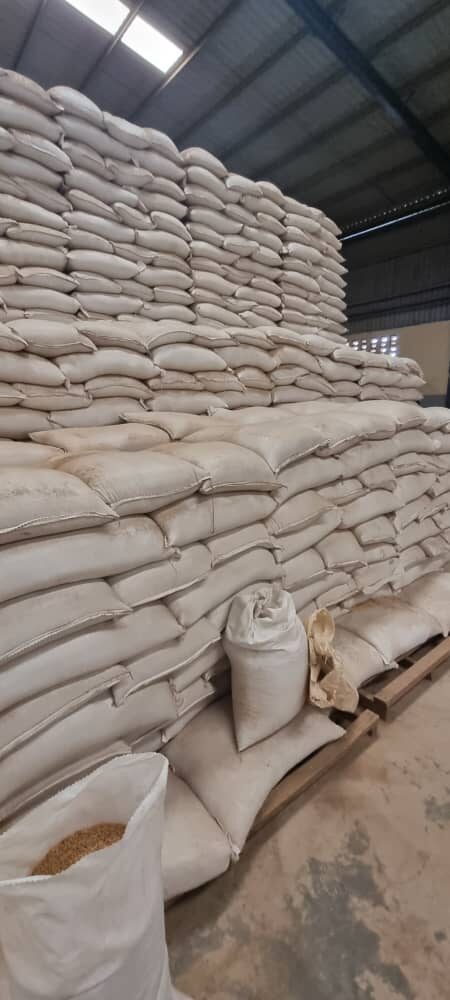
One of the most important outcomes of FY25 was a deliberate move to internalize control across the value chain — rather than rely on partners whose execution we cannot dictate.
First-party fulfillment infrastructure to enforce quality, consistency, and standards.
Reducing reliance on aggregators and intermediaries that obscure the source.
From opportunistic transactions to a repeatable trade pipeline.
Ground-level diligence in Tanzania has reset expectations and unlocked new enquiries.
Three lessons that will shape how we operate in FY26 and beyond.
Demand is robust. Consistency of supply is the variable. Where supply-side partners performed well, customer relationships deepened. Where they didn't, the impact was immediate.
In Q1 FY25 alone, commodity demand exceeded the entire size of our marketplace business. The opportunity is real — and complex enough that opportunistic trading was always going to fall short.
Direction: structured, repeatable trades — not one-off transactions.
Our work on avocados put us on the ground in Tanzania — and what we found reset our assumptions about export supply chains across the region.
Enquiries already in motion despite Zambia's seasonality and post-drought constraints.
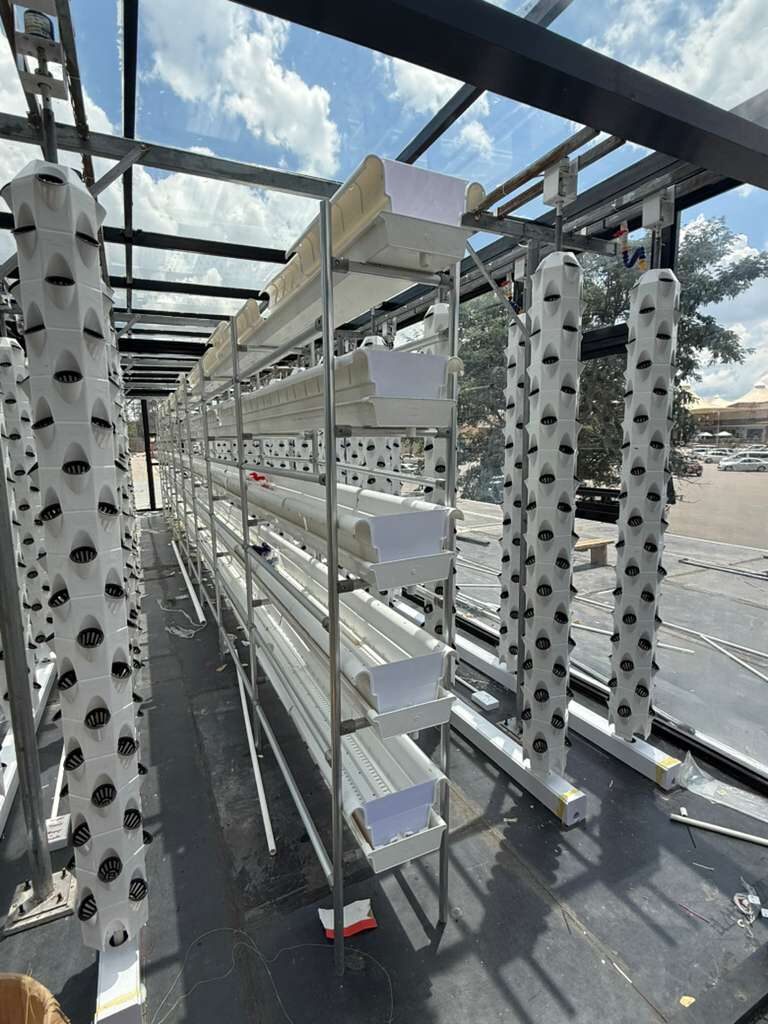
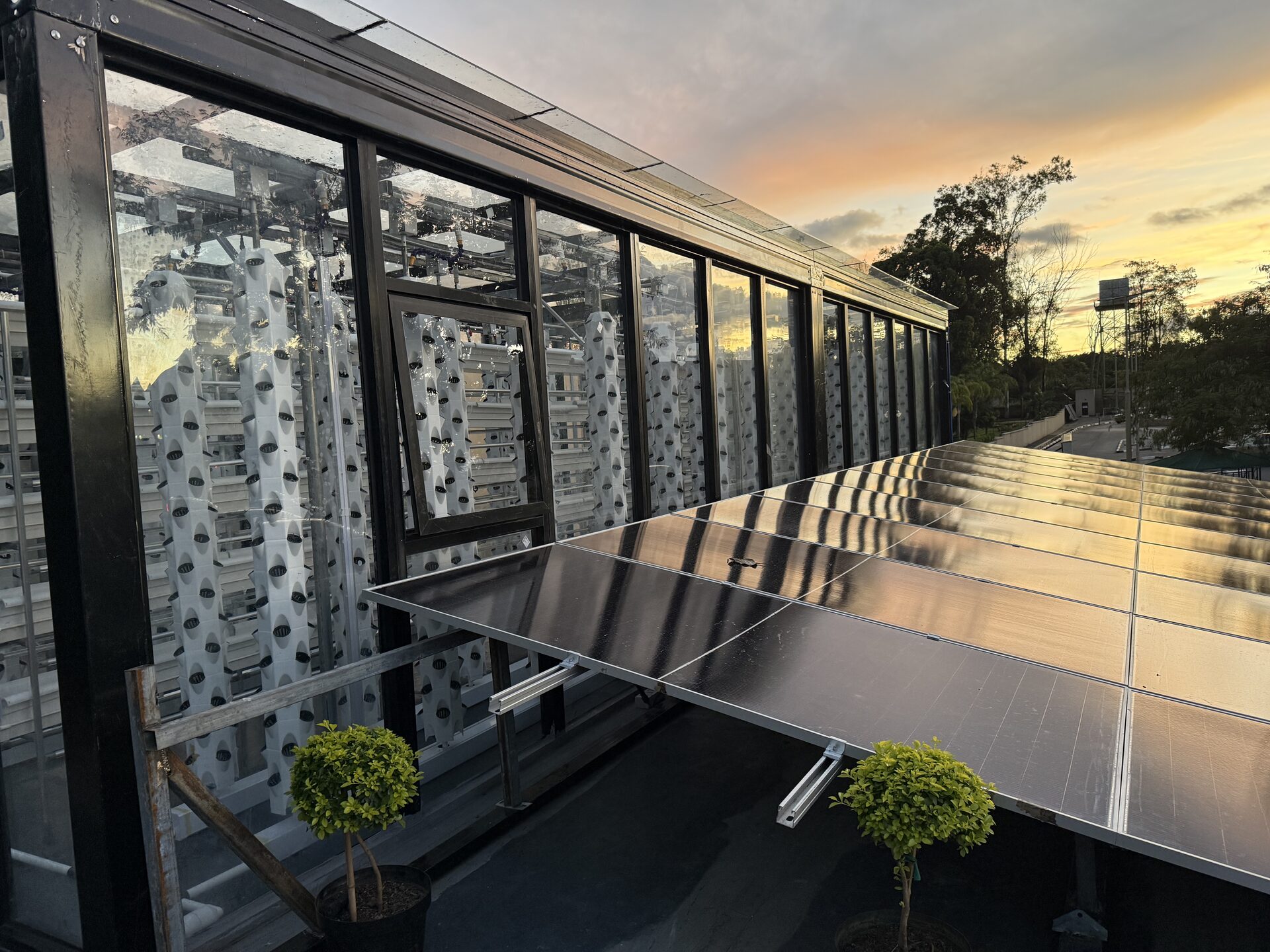
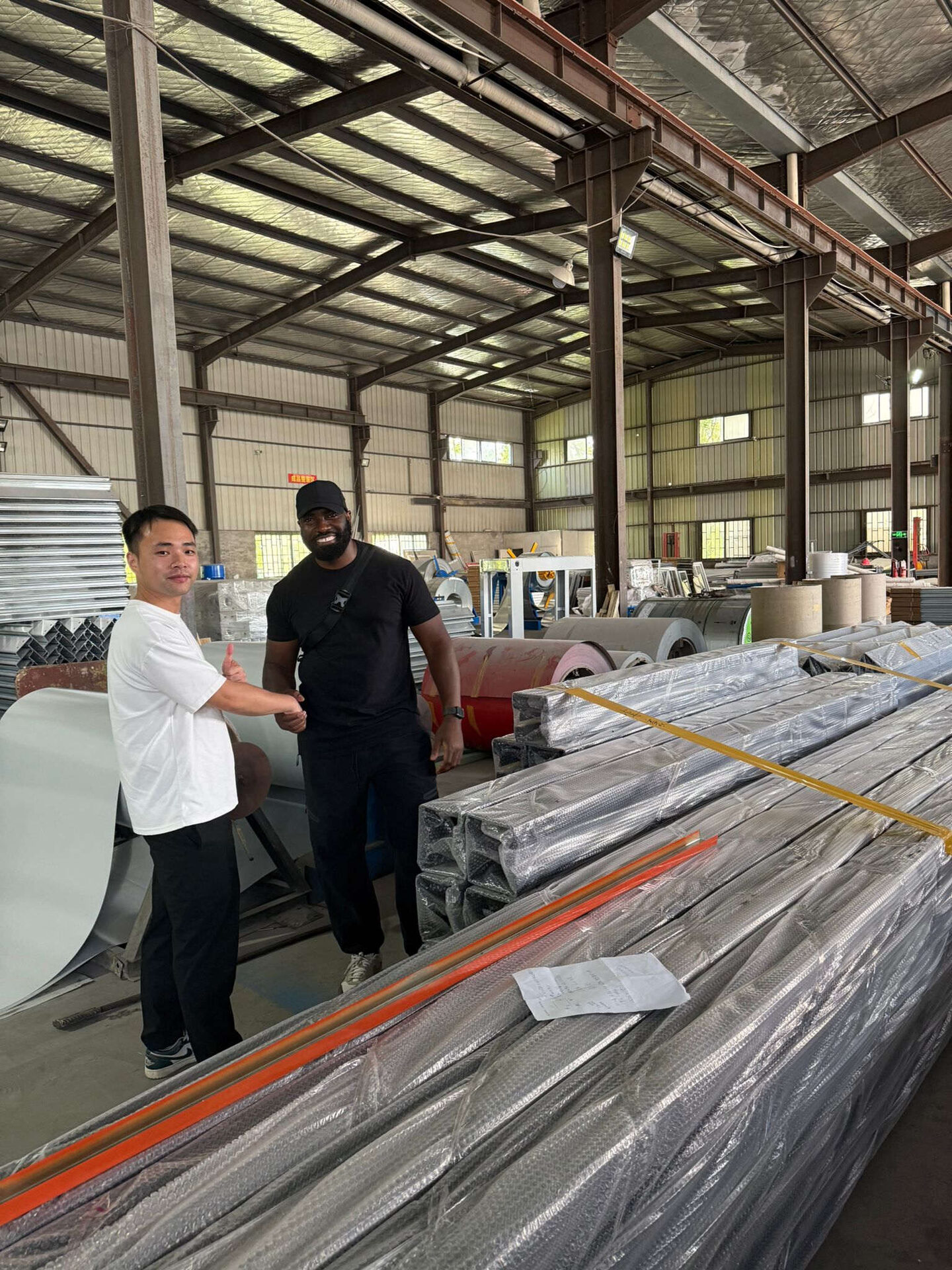
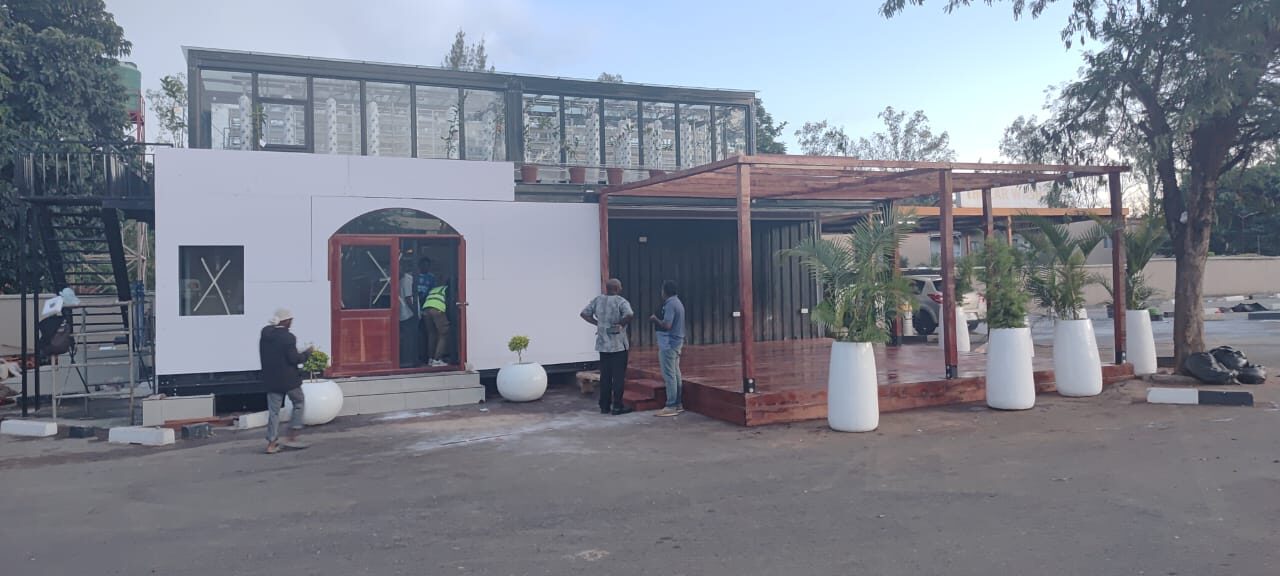
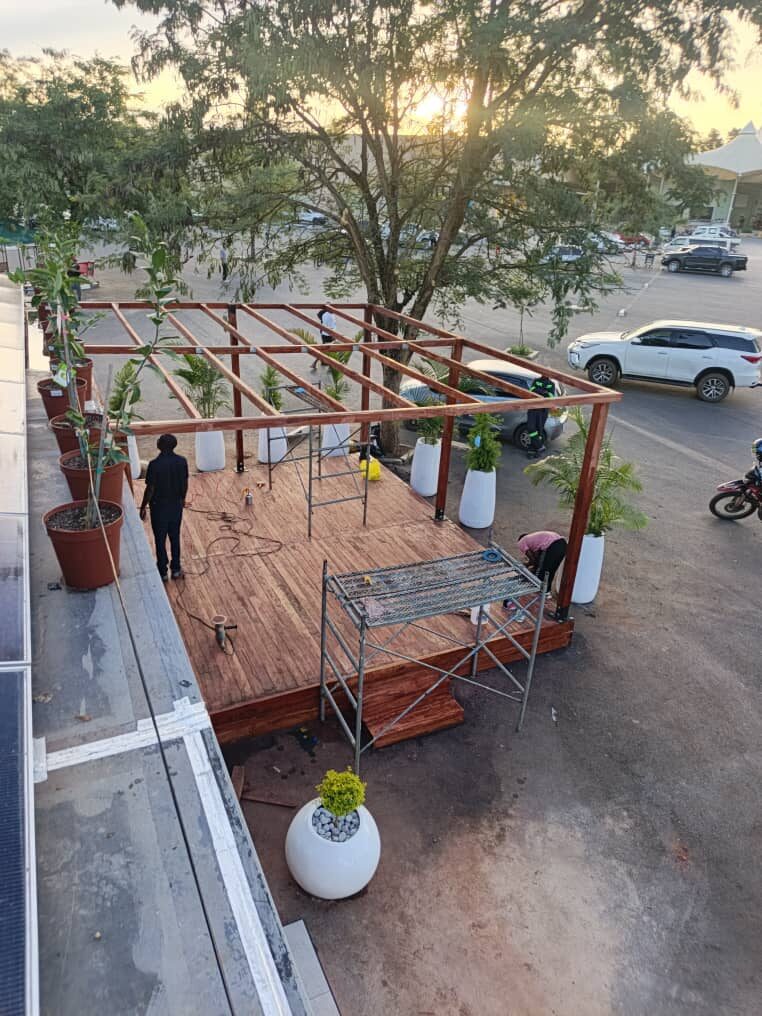
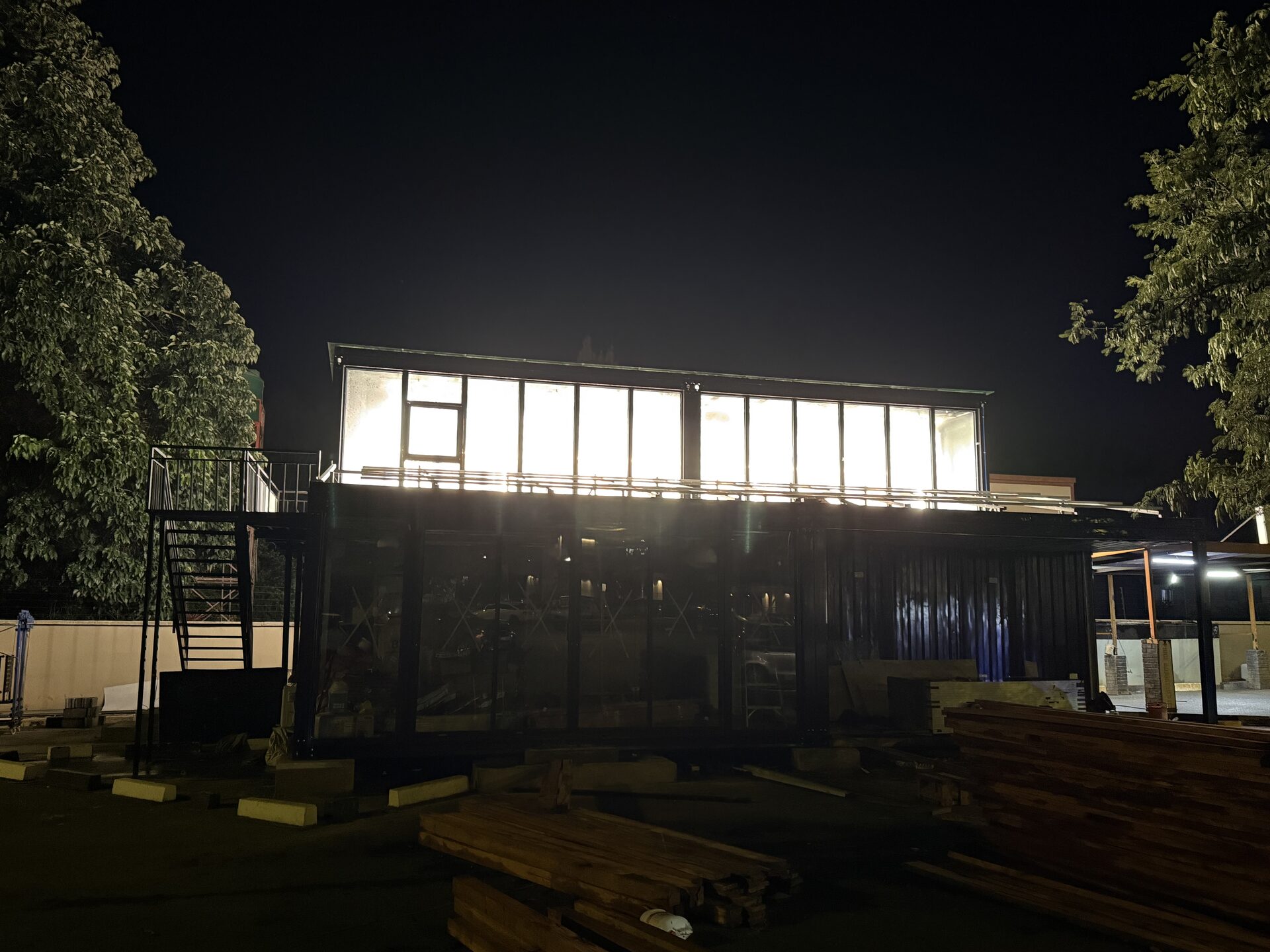
The China sourcing trip in FY25 marked the inflection point — moving SimuPod from idea to physical infrastructure. Sourcing, importation, government coordination, technical setup and talent alignment have all extended timelines, but the process produced something more valuable: clarity on what successful deployment actually requires.
Approaching readiness for the first growing phase.
A year of physical work — sourcing trips in China, container conversions, deck builds, and the towers that will carry the first growing phase. The pictures tell the story words can't.
During the period, Carol transitioned out of the business. We are grateful for her contribution during Hrvst's early growth and foundational stages.
The current structure has allowed for more streamlined decision-making and clearer operational ownership.
| Quarter | Average USD/ZMW |
|---|---|
| Q1 FY25 | 28.20 |
| Q4 FY25 | 22.75 |
| Q1 FY26 | 19.44 |
The Kwacha appreciated meaningfully through the period, lifting USD-translated GMV and revenue.
ZMW reflects underlying activity. USD reflects reporting impact. Both views matter — read together.
| KPI | Q1 FY25 | Q2 FY25 | Q3 FY25 | Q4 FY25 | Q1 FY26 |
|---|---|---|---|---|---|
| GMV (ZMW) | 4.94M | 6.61M | 7.10M ★ | 5.96M | 4.99M |
| GMV (USD) | $175K | $276K | $301K | $268K | $261K |
| Revenue | $12.9K | $16.7K | $21.2K | $23.9K | $31.6K ★ |
| Avg Basket | 269 | 381 | 398 | 373 | 386 |
| Active Customers | 111 | 111 | 111 | 111 | 111 |
Sharp drop from Q1 FY25, then stable.
The decline from Q1 to Q3 reflects improved alignment between demand and supply. Q1 FY26 holds within the new, stable range.
Core unmet demand (ZMW) by quarter
Retail with Shoprite & Cheers — toward a more balanced demand mix.
Afridelivery has concluded, but FreshBox proved B2C demand: strong consumer interest, viable curated produce boxes, and the importance of the delivery experience.
These learnings carry forward into a future SimuPod-led retail strategy where production, packaging and distribution can be tightly integrated.
FY25 made the lesson unavoidable — partner-led fulfillment introduces too much variance. The Packhouse Operating System is our response: a software-led approach to running fulfillment with the discipline our customers need.
Long-term, we will not operate every packhouse ourselves. Instead, the Hrvst Operating System will enable a franchised network of packhouses — software running the operation, AI doing the heavy lifting, and Hrvst owning the platform. The model mirrors our SimuPod thesis: technology is the asset, not the building.
Licensing is the HorizonSmarter purchasing, less waste.
Better routing across vendors.
Fewer manual touches per order.
Compounding margin at scale.
The next phase is about connecting these elements into a cohesive, scalable system.
On behalf of the Hrvst team